You cannot copy content of this website, your IP is being recorded
What Is Prolonged Grief, and How Does It Affect Mental Health?

What Is Prolonged Grief, and How Does It Affect Mental Health?

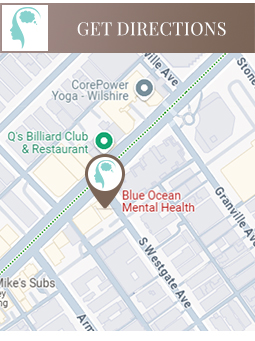
Prolonged grief is a condition where the grieving process extends far beyond what is considered typical, often lasting months or even years after a loss. It can deeply impact mental health, causing individuals to experience persistent sadness, intense yearning, and a sense of being stuck in their grief. This extended mourning can lead to difficulties in managing daily activities, as the emotional pain may overwhelm the person’s ability to cope. Without proper support, prolonged grief can contribute to depression, anxiety, and a loss of personal well-being, making it essential to seek help for healing and recovery. Consult Esder Shin, PMHNP, BC at Blue Ocean Mental Health. For more information, contact us or request an appointment online. We are conveniently located at 11850 Wilshire Blvd, Suite 200A, Los Angeles, CA 90025.


What Is Prolonged Grief, and How Does It Affect Mental Health? | Blue Ocean Mental Health Near Me in Los Angeles, CA

Table of Contents:

What are the mental health risks associated with experiencing prolonged grief?
How can prolonged grief contribute to the development of conditions like depression and anxiety?
How does prolonged grief impact a person’s ability to function in daily life or maintain relationships?
How can seeking professional help support someone experiencing prolonged grief and prevent further mental health decline?
How Prolonged Grief Affects Mental Health: Esder Shin, PMHNP, BC’s Comprehensive Guide

What are the mental health risks associated with experiencing prolonged grief?


Prolonged grief is a condition in which the emotional response to loss remains intense and disruptive long after the initial period of mourning. Rather than gradually coming to terms with their loss in their daily life, the individual experiences persistent longing, disbelief, or emotional pain that does not ease with time. This sustained emotional strain can adversely impact mental health, increasing vulnerability to a range of psychological challenges that extend beyond grief itself. When grief remains unresolved, the nervous system can stay in a heightened state of stress, which affects mood regulation, concentration, and resilience. Over time, this can lead to feelings of hopelessness, emotional numbness, irritability, or chronic sadness. The individual may also experience intrusive thoughts related to the loss that interrupt daily activities and sleep, further compounding emotional distress. Prolonged grief can also increase susceptibility to conditions such as depression, anxiety disorders, and trauma related symptoms.
 
Through comprehensive psychiatric evaluations and ongoing care, Blue Ocean Mental Health works to identify how grief is affecting emotional functioning and overall well being. Early recognition and support can reduce the likelihood that grief evolves into more entrenched mental health conditions.

How can prolonged grief contribute to the development of conditions like depression and anxiety?


Prolonged grief and mood related conditions often overlap because they share emotional and cognitive patterns that reinforce one another. When grief persists without relief, the individual may begin to withdraw from activities, relationships, and responsibilities that once provided meaning or stability. This withdrawal can slowly erode emotional balance, creating an environment in which depression and anxiety are more likely to develop.
 
Depression may emerge as the individual experiences ongoing sadness, diminished interest in life, and a sense of emotional flatness. The loss may begin to shape how the individual views themselves and the future, leading to thoughts of emptiness or purposelessness. Anxiety can also present as prolonged grief heightens emotional sensitivity. The individual may worry excessively about additional losses, personal safety, or the well being of others. Physical symptoms such as restlessness, tension, and difficulty sleeping are common, especially when grief related thoughts surface at night or during quiet moments. Anxiety may further isolate the individual by making social interactions feel overwhelming.
 
The specialists at Blue Ocean Mental Health offer a comprehensive and holistic care approach for grief that presents with depression and anxiety. Treatment focuses on addressing both the emotional weight of the loss and the secondary conditions that may arise from it.

How does prolonged grief impact a person’s ability to function in daily life or maintain relationships?


Prolonged grief often influences daily life and functioning in subtle but persistent ways. Tasks that once felt manageable may begin to feel draining or pointless, leading to difficulties with work, household responsibilities, and personal care. Fatigue, disrupted sleep, and reduced concentration are common, making it harder for the individual to maintain routines or meet expectations consistently.
 
Relationships can also be affected as grief continues. Friends and family members may struggle to understand why the individual remains deeply affected long after the loss, which can create feelings of isolation or misunderstanding. The individual may withdraw socially, avoid conversations that feel emotionally taxing, or feel disconnected from others who appear to be moving forward with their lives. Persistent sadness or preoccupation with the loss may make it difficult to engage fully with others or respond to emotional cues.

How can seeking professional help support someone experiencing prolonged grief and prevent further mental health decline?


Professional support offers structure and guidance when grief becomes overwhelming or unmanageable. Mental health care provides a setting where grief can be explored in depth without judgment or pressure to resolve it quickly. Through therapy, individuals gain tools to process loss, regulate emotions, and understand how grief is influencing thoughts and behaviors. Treatment for prolonged grief often involves evidence based therapeutic approaches that address both emotional pain and cognitive patterns. Counseling can help the individual make sense of the loss, reduce intrusive thoughts, and develop coping strategies that support daily functioning. When symptoms such as depression or anxiety present alongside grief, psychiatric care can potentially also be tailored to include medication management to stabilize mood and support engagement in therapy.
 
At Blue Ocean Mental Health, care begins with a thorough assessment that considers the individual’s emotional history, current symptoms, and personal circumstances. Esder Shin, PMHNP, BC, takes time to understand the unique grief journey of each patient, allowing treatment to be tailored to unique circumstances.

How Prolonged Grief Affects Mental Health: Esder Shin, PMHNP, BC’s Comprehensive Guide


Prolonged grief affects mental health in a number of ways, influencing emotional regulation, physical health, and overall quality of life. Esder Shin, PMHNP, BC, utilizes a comprehensive approach focused on understanding how grief manifests emotionally, cognitively, and physically for each individual.
 
At Blue Ocean Mental Health, treatment integrates psychiatric evaluation, therapeutic support, and ongoing monitoring to ensure care evolves with the patient’s needs. Therapy may include grief focused counseling, cognitive based interventions, and supportive psychotherapy aimed at restoring emotional balance. When necessary, medication management is incorporated to address co occurring depression, anxiety, or sleep disturbances that interfere with healing.
 
Treatment for prolonged grief is available at Blue Ocean Mental Health. For more information, contact us or request an appointment online. We are conveniently located at 11850 Wilshire Blvd, Suite 200A, Los Angeles, CA 90025. We serve patients from Los Angeles CA, Pasadena CA, Beverly Hills CA, Glendale CA, Huntington Park CA, East Los Angeles CA, and surrounding areas.