

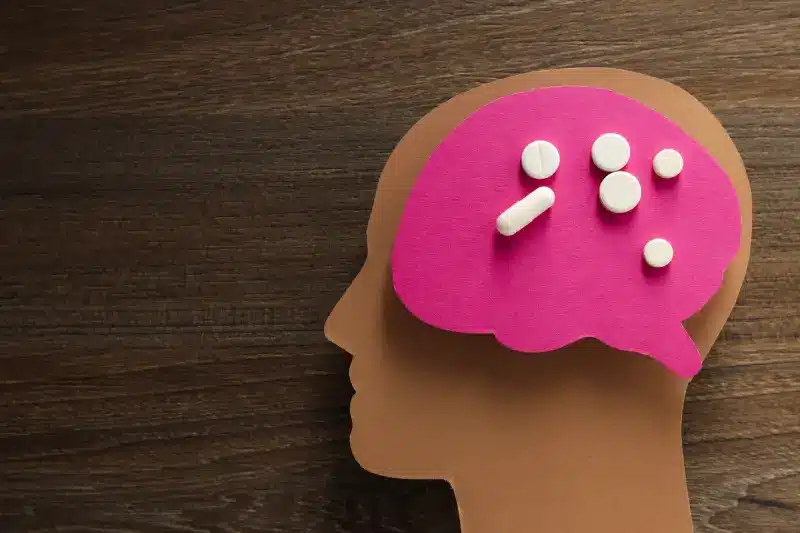
If you or someone you care for has recently been diagnosed with ADHD, one of the first questions that comes up is whether medication is going to be part of treatment, and if so, whether it will involve a stimulant. The word “stimulant” gives a lot of people pause, and there are real reasons to want to understand the alternatives.
This post explains what distinguishes stimulant from non-stimulant ADHD medications, what the decision-making process actually looks like from a clinical perspective, and what factors lead a psychiatrist to recommend one path over another.
How Stimulant Medications Work for ADHD
Stimulant medications work by increasing the availability of dopamine and norepinephrine in the prefrontal cortex, the brain region most directly involved in executive function, working memory, and attention regulation. In people with ADHD, these neurotransmitter systems are underactive in ways that make sustained attention, impulse control, and task initiation genuinely difficult.
There are two main classes of stimulant medication used for ADHD. Amphetamines include medications like Adderall (mixed amphetamine salts) and Vyvanse (lisdexamfetamine). Methylphenidates include Ritalin, Concerta, and Focalin. Both classes work on dopamine and norepinephrine, but through slightly different mechanisms, and individual patients respond differently to each class.
Stimulants are the most extensively studied medications in child and adult psychiatry. The evidence for their effectiveness in reducing ADHD symptoms is among the strongest in all of psychopharmacology. They are still the first-line recommendation for most adults with ADHD according to major clinical guidelines, including those from the American Academy of Child and Adolescent Psychiatry and the American Psychiatric Association.
Common ADHD Medication Side Effects With Stimulants
Stimulant side effects are real and worth understanding in advance. The most common include appetite suppression (which often improves after the first few weeks and tends to be less pronounced in adults than in children), sleep disruption (particularly if a dose is taken too late in the day), and elevated heart rate or blood pressure in some patients.
For patients who already experience significant anxiety, stimulants can sometimes exacerbate it, particularly in the early titration period. This doesn’t mean anxiety is a contraindication to stimulants, but it is a factor that a psychiatrist will want to monitor closely and address proactively in the treatment plan.
The key point: side effects inform medication management but don’t automatically dictate medication choice. Many side effects are dose-dependent, timing-dependent, or resolve after the first few weeks. The conversation about side effects should be ongoing, not a one-time pre-prescription disclosure.
How Non-Stimulant ADHD Medications Work
Non-stimulant ADHD medications work through different mechanisms and have different timelines and profiles than stimulants. The main options used in adult ADHD treatment include:
- Strattera (atomoxetine): A selective norepinephrine reuptake inhibitor (NRI), not a stimulant, not a controlled substance. It was the first FDA-approved non-stimulant for ADHD. It takes 4 to 6 weeks to reach full effect and is effective for both inattentive and combined presentations. It’s particularly relevant for patients with comorbid anxiety or those for whom stimulants are contraindicated.
- Qelbree (viloxazine): A newer non-stimulant norepinephrine reuptake inhibitor approved for adults in 2023. Similar mechanism to atomoxetine but with a somewhat different side effect profile that some patients tolerate better.
- Wellbutrin (bupropion): An antidepressant that is used off-label for ADHD, particularly when comorbid depression is present. It affects dopamine and norepinephrine and has moderate evidence for ADHD symptom reduction. Not FDA-approved for ADHD but a reasonable clinical option in specific presentations.
- Intuniv and Kapvay (guanfacine and clonidine): Alpha-2 adrenergic agonists that reduce impulsivity and hyperactivity through a different mechanism. Often used as adjunct medications alongside a stimulant or as primary treatment when stimulants are not appropriate. More commonly used in children but sometimes employed in adults with specific presentations.
The most clinically significant difference between stimulant and non-stimulant medications is the onset of effect. Stimulants produce noticeable changes within days of starting at a therapeutic dose. Non-stimulants require 4 to 6 weeks of consistent use before full efficacy is apparent. This timeline difference matters for patient expectations and for evaluating whether a medication is working.

How Psychiatrists Actually Make This Decision
When Stimulants Are the Starting Point
For most adults with a confirmed ADHD diagnosis and no clinical contraindications, the evidence supports starting with a stimulant. The response rates are higher, the onset of effect is faster, and the clinical experience base is substantially deeper than with non-stimulants. A psychiatrist who recommends a stimulant as the first option is following the clinical guidelines for most adult presentations.
The specific stimulant class and formulation choice involve additional clinical judgment: short-acting versus long-acting formulation, amphetamine versus methylphenidate class (since individual neurochemistry affects response to each), and starting dose based on patient weight, sensitivity, and clinical history.
When Non-Stimulants Are Considered First
Several clinical scenarios favor starting with a non-stimulant or using one as a primary alternative.
- History of substance use disorder: This is a significant consideration. Stimulants are Schedule II controlled substances with abuse potential. Patients with a history of substance use disorder, particularly stimulant abuse, may be better served by non-stimulant options that carry no controlled substance designation.
- Comorbid anxiety that would be worsened by stimulants: It may shift the starting point toward atomoxetine or viloxazine, both of which have anxiolytic properties in some patients, or toward a trial of therapy first to address the anxiety before introducing a stimulant.
- Cardiovascular concerns: Elevated blood pressure, cardiac arrhythmia, or a family history of sudden cardiac events are factors in stimulant prescribing decisions. Stimulants elevate heart rate and blood pressure, and while these effects are modest in most patients, they are clinically relevant in certain cardiovascular profiles.
- Occupational restrictions: These affect some patients: certain commercial driver’s licenses, pilot certificates, security clearances, and law enforcement positions have restrictions on stimulant use. Non-stimulant options may allow treatment without affecting professional eligibility.
- Tic disorders: They are a relative consideration. Stimulants can sometimes worsen tics, so patients with Tourette syndrome or chronic tic disorders may be better candidates for guanfacine or other non-stimulant options.
ADHD Medication Management in California: What the Process Looks Like
In California, stimulant medications are Schedule II controlled substances under both federal and state law. This means prescriptions cannot be refilled automatically; a new prescription is required each month. Some prescribers send them electronically; others provide paper prescriptions. Your psychiatrist will explain the logistics for their practice.
Since 2020, federal telehealth prescribing rules for controlled substances have evolved significantly. During and after the COVID-19 public health emergency, the DEA and California allowed stimulant prescribing via telehealth under specific conditions. The current rules in effect at the time of your evaluation will apply. Your telehealth psychiatrist will walk you through what’s required if stimulant medication is part of your treatment plan.
ADHD medication management in California, whether stimulant or non-stimulant, involves regular follow-up appointments to monitor response, adjust dosing, address side effects, and evaluate overall treatment progress. This is not a “prescribe and forget” process; it’s an active clinical relationship.
Frequently Asked Questions
Are non-stimulant ADHD medications as effective as stimulants?
For most patients, stimulants produce larger and faster reductions in ADHD symptoms than non-stimulants. However, “as effective” is a patient-specific question. Some individuals respond very well to atomoxetine or viloxazine, particularly when comorbid anxiety or substance use history makes stimulants less appropriate. Effectiveness for any individual is determined by a clinical trial, not by category generalizations.
Can I switch from stimulant to non-stimulant ADHD medication?
Yes. If a stimulant is not well-tolerated, not producing adequate improvement, or not appropriate for clinical reasons, switching to a non-stimulant is a reasonable and well-established clinical path. The transition is managed carefully: stimulants can typically be discontinued without a taper, but the switch to a non-stimulant requires patience given the 4-to-6-week onset timeline.
Do non-stimulant ADHD medications cause weight loss?
Unlike stimulants, which commonly suppress appetite (especially in the early weeks), non-stimulant ADHD medications are generally not associated with significant weight loss. Atomoxetine may cause mild appetite changes in some patients, but this is less consistent and typically less pronounced than the appetite suppression seen with stimulants.
How long do I need to be on ADHD medication?
ADHD is a chronic neurodevelopmental condition, and most adults who respond well to medication continue it long-term. That said, medication duration is individualized. Some adults take medication during high-demand periods and adjust during lower-stress phases. Others maintain consistent treatment. The decision about duration is made collaboratively with your psychiatrist based on your clinical response, goals, and circumstances.
Can a psychiatrist prescribe ADHD medication via telehealth in California?
Yes, with conditions. California-licensed psychiatrists can conduct ADHD evaluations and manage non-stimulant ADHD medications via telehealth without restriction. Stimulant prescribing via telehealth is subject to DEA and state rules that have been updated since 2020. Your telehealth psychiatrist will review the current requirements with you; they vary based on whether a prior in-person appointment has occurred and on evolving federal guidance.